No Knead Rye Bread Recipe
Introduction
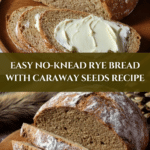
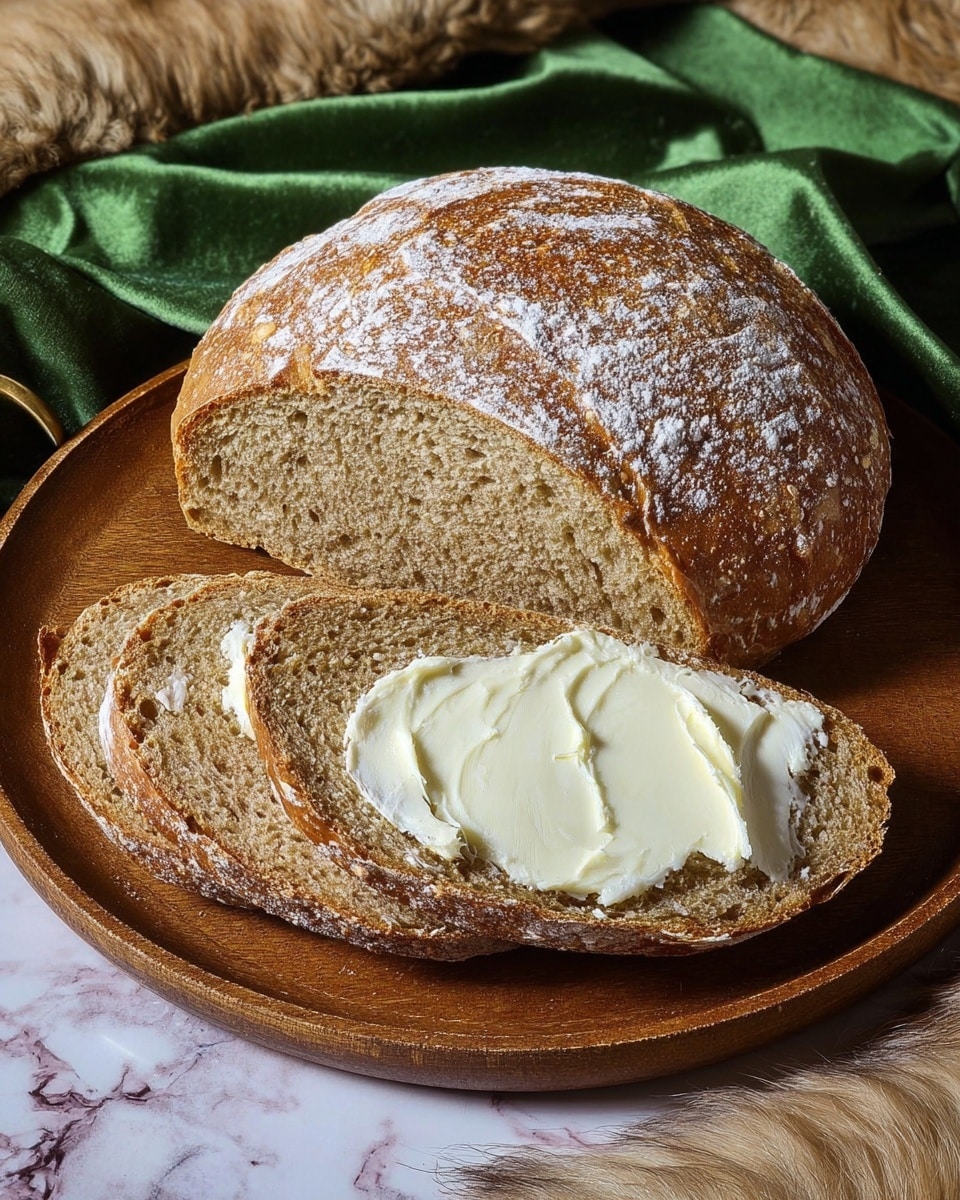
No knead rye bread offers a wonderfully rustic and hearty loaf with minimal effort. This simple recipe combines whole wheat, rye, and bread flours to create a flavorful bread with a tender crumb and crisp crust.
Ingredients
- 1 cup whole wheat flour
- 1 cup bread flour or all-purpose flour
- 1 cup rye flour
- 1 tablespoon caraway seeds (optional)
- 1 teaspoon instant or active dry yeast
- 1 1/8 teaspoons salt
- 1 1/2 cups hot tap water (120–130°F)
- About 2 tablespoons extra flour for shaping
Instructions
- Step 1: In a large bowl, combine the whole wheat flour, bread or all-purpose flour, rye flour, caraway seeds (if using), yeast, and salt.
- Step 2: Stir in the hot tap water until the mixture is thoroughly combined into a sticky dough.
- Step 3: Cover the bowl with plastic wrap and let the dough stand at room temperature for 3 hours. It should become puffy and bubbly.
- Step 4: Lightly flour a clean surface and sprinkle some extra flour on top of the dough. Use a scraper to fold the dough over 10 to 12 times, then shape it into a rough ball.
- Step 5: Place the dough ball on a piece of parchment paper inside a bowl lined with parchment paper (not wax paper). Cover with a clean towel and let it rest for 35 minutes on the countertop.
- Step 6: While the dough rests, place a Dutch oven with its lid inside a cold oven and preheat to 450°F. This may take about 35 minutes depending on your oven.
- Step 7: When the oven reaches 450°F, using oven mitts, carefully lift the parchment paper with the dough and place it into the hot Dutch oven. Keep the parchment paper underneath the dough.
- Step 8: Cover the Dutch oven with its lid and bake for 30 minutes.
- Step 9: After 30 minutes, remove the lid and carefully lift out the parchment paper. Return the uncovered bread to the oven and bake for about 10 more minutes until the crust is deeply browned and crisp.
- Step 10: Remove the bread from the oven and allow it to cool on a wire rack before slicing.
Tips & Variations
- For a stronger rye flavor, increase the rye flour slightly and reduce the bread flour accordingly.
- Add 1 tablespoon of honey or molasses to the dough for a touch of sweetness that complements rye.
- Try mixing in sunflower seeds or chopped nuts for extra texture and flavor.
- If you don’t have a Dutch oven, bake the loaf on a preheated baking stone and cover it with a heatproof bowl during the first 30 minutes to keep the steam in.
- Using instant yeast eliminates the need to proof yeast separately, saving time.
Storage
Store the cooled bread wrapped in a clean kitchen towel or in a paper bag at room temperature for up to 3 days. For longer storage, slice and freeze the bread in an airtight container or freezer bag for up to 3 months. To reheat, toast slices directly or warm the whole loaf wrapped in foil in a 350°F oven for 10–15 minutes.
How to Serve
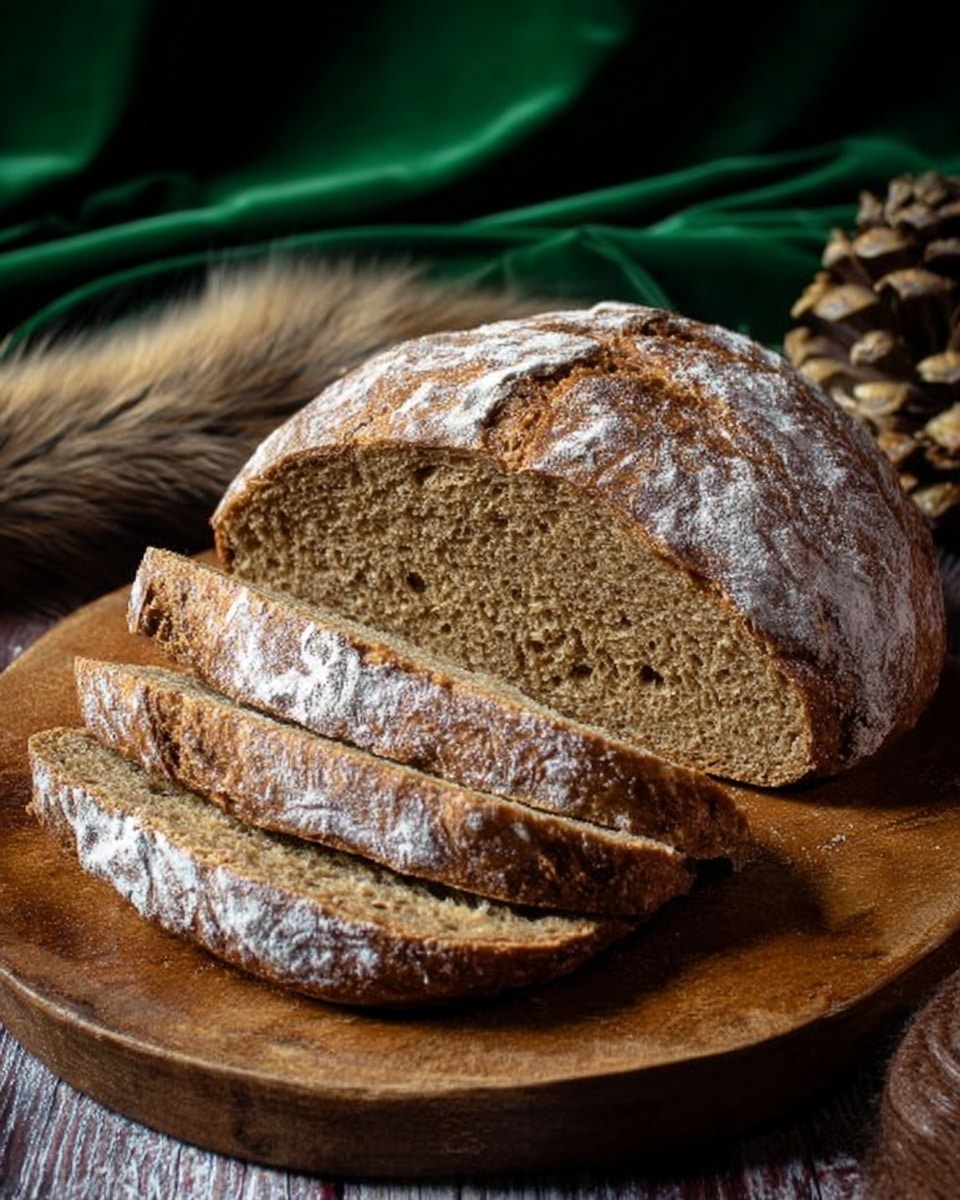
Serve this delicious recipe with your favorite sides.
FAQs
Can I use all-purpose flour instead of bread flour?
Yes, you can substitute all-purpose flour for bread flour. The texture may be slightly less chewy, but the bread will still be delicious.
Why does the recipe call for hot tap water?
The hot tap water (around 120–130°F) helps activate the yeast quickly and aids in gluten development, essential for good rise in no-knead breads.
PrintNo Knead Rye Bread Recipe
This No Knead Rye Bread recipe combines whole wheat, bread, and rye flours with caraway seeds for a flavorful, rustic loaf that requires minimal effort. Utilizing a slow fermentation and baking in a hot Dutch oven produces a beautifully crusty exterior and moist, tender crumb without the need for kneading.
- Prep Time: 10 minutes
- Cook Time: 40 minutes
- Total Time: 3 hours 50 minutes
- Yield: 1 loaf (about 8 slices) 1x
- Category: Bread
- Method: Baking
- Cuisine: European
- Diet: Vegetarian
Ingredients
Dry Ingredients
- 1 cup whole wheat flour
- 1 cup bread flour or all-purpose flour
- 1 cup rye flour
- 1 tablespoon caraway seeds (optional)
- 1 teaspoon instant or active dry yeast
- 1 1/8 teaspoons salt
Wet Ingredients
- 1 1/2 cups hot tap water (120 – 130° F)
For Shaping
- About 2 tablespoons extra flour
Instructions
- Combine Dry Ingredients: In a large bowl, mix together the whole wheat flour, bread or all-purpose flour, rye flour, caraway seeds (if using), yeast, and salt until well combined.
- Add Hot Water: Stir in the hot tap water (120-130°F) until the dough comes together into a rough, wet mixture.
- First Rise: Cover the bowl with plastic wrap and let the dough stand at room temperature for 3 hours. During this time, the dough will become puffy and well-fermented.
- Shape the Dough: Transfer the dough to a lightly floured surface. Sprinkle some extra flour on top. Using a dough scraper or your hands, fold the dough over itself 10 to 12 times to build structure, then shape it into a rough ball.
- Second Rise: Place the shaped dough on a piece of parchment paper inside a bowl lined with parchment (not wax paper) and cover with a towel. Let it rest on the countertop for 35 minutes to rise slightly.
- Preheat Dutch Oven: Place a Dutch oven with its lid inside a cold oven and preheat the oven to 450°F (230°C). This usually takes around 35 minutes; heating the pot ensures a crisp crust.
- Transfer Dough to Hot Dutch Oven: Once the oven reaches temperature, carefully remove the hot Dutch oven using oven mitts. Lift the parchment paper with the dough and gently place both into the Dutch oven. Cover with the lid.
- Bake Covered: Bake the bread covered for 30 minutes. This traps steam to help the bread rise and develop a crisp crust.
- Bake Uncovered: Remove the lid and the parchment paper, then return the bread to the oven uncovered. Bake for an additional 10 minutes to brown and crisp the crust.
- Cool: Remove the bread from the oven, transfer to a wire rack, and let cool completely before slicing to ensure the crumb sets properly.
Notes
- Using hot tap water (120-130°F) activates the yeast and kickstarts fermentation without cooking it.
- Caraway seeds are optional but add a traditional rye bread flavor.
- Do not skip the resting times as they develop flavor and texture despite the no-knead method.
- Make sure to use parchment paper suitable for baking; wax paper may melt in the oven.
- A Dutch oven mimics a steam-injected professional oven for better crust development.
- Allow the bread to cool fully before slicing to prevent a gummy texture.
Keywords: no knead rye bread, easy rye bread, homemade rye bread, rustic bread, slow fermentation bread, Dutch oven bread, caraway rye bread